Living independently becomes easier when you have the right support at home. The National Disability Insurance Scheme helps participants manage their households effectively. NDIS domestic assistance provides essential help with everyday tasks that might be challenging. Understanding what’s covered helps you make the most of your plan.
What Is Domestic Assistance Under NDIS?
Domestic assistance NDIS refers to support with household tasks and cleaning activities. These services help maintain a safe and comfortable living environment. Support workers assist with chores that might be difficult due to disability. The goal is to promote independent living whilst ensuring cleanliness and safety.
Core Tasks Covered By NDIS Domestic Assistance
General Cleaning Services
NDIS domestic assistance services cover various cleaning tasks throughout your home. Here’s what support workers can help with:
- Vacuuming and mopping floors in all rooms
- Dusting furniture, shelves, and accessible surfaces
- Cleaning bathrooms including toilets, showers, and sinks
- Wiping down kitchen benches and appliances
- Taking out rubbish and replacing bin liners
- Cleaning windows and mirrors inside the home
Laundry and Clothing Care
Managing laundry is an important part of household maintenance. Support workers help with:
- Washing, drying, and folding clothes
- Ironing garments when needed
- Changing bed sheets and linen
- Organising clean clothes in wardrobes
Kitchen and Meal-Related Tasks
NDIS domestic assistance includes basic kitchen maintenance and organisation. Workers can assist with:
- Washing dishes and putting them away
- Cleaning stovetops, ovens, and microwaves
- Wiping down cupboards and pantry areas
- Organising kitchen items for easy access
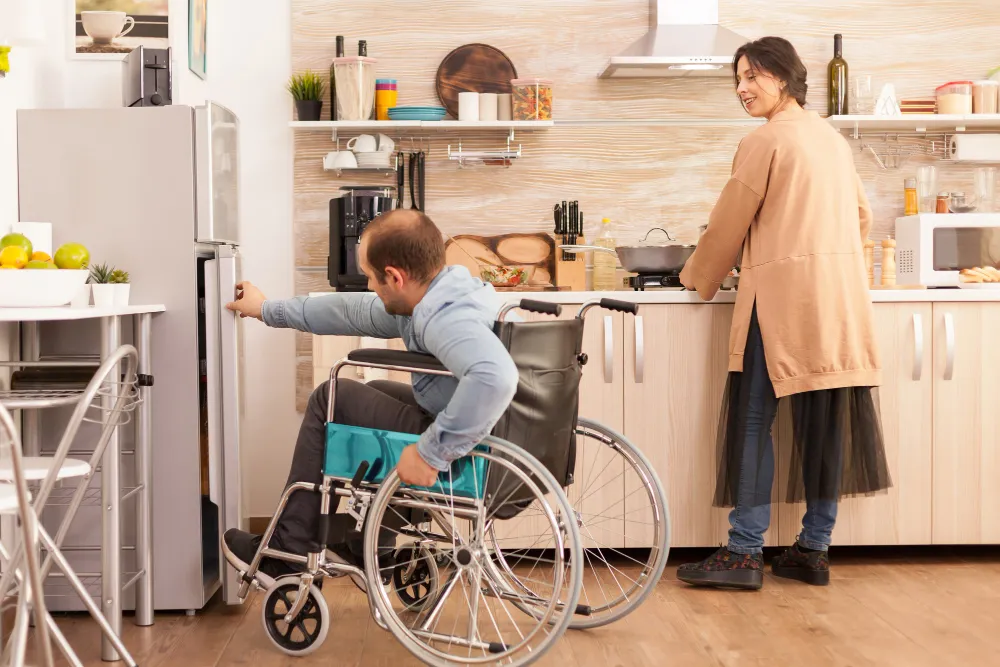
Additional Household Support
Beyond cleaning, domestic assistance NDIS covers other helpful tasks:
- Making beds and tidying bedrooms
- Organising living spaces and decluttering
- Light gardening like watering plants
- Minor household organisation tasks
What NDIS Domestic Assistance Does NOT Cover
It’s important to understand the limitations of these services. Heavy gardening, home repairs, and renovations aren’t included. Personal care tasks like showering or dressing require different support categories. Shopping and meal preparation fall under separate NDIS funding categories.
How Often Can You Access These Services?
Service frequency depends on your individual NDIS plan and assessed needs. Your plan budget determines how many hours you receive weekly. Regular reviews ensure your support meets changing requirements. Flexibility allows you to adjust schedules based on priorities.
Benefits of NDIS Domestic Assistance Services
These services provide more than just a clean home. They reduce stress and physical strain on participants and families. NDIS domestic assistance services promote dignity and quality of life. A tidy environment supports better mental health and wellbeing. Participants gain more time for social activities and personal development.
Conclusion
Understanding what tasks fall under domestic assistance NDIS empowers you to utilise your plan effectively. These services create safer, cleaner living spaces whilst supporting independence.
If you need guidance about accessing these supports, Being Human Ability Assist Pty Ltd can help. Our experienced team provides compassionate assistance tailored to your needs. Contact us on 0452 228 821 or 1800 234 644 today. You can also email info@beinghumanability.com.au or visit www.beinghumanability.com.au for more information.
FREQUENTLY ASKED QUESTIONS
1. Can NDIS domestic assistance help with deep cleaning tasks?
Yes, support workers can perform thorough cleaning, including scrubbing bathrooms and kitchens. However, specialist cleaning services for extreme situations may require different arrangements.
2. How do I know if I’m eligible for these services?
Your NDIS planner assesses your needs during plan development. If household tasks are difficult due to your disability, you’ll likely qualify.
3. Can family members provide domestic assistance under NDIS?
Generally, family members living with you cannot be paid providers. However, exceptions exist in specific circumstances with proper approval.
4. What’s the difference between domestic assistance and personal care?
Domestic assistance focuses on household tasks and cleaning. Personal care involves help with bathing, dressing, and grooming activities.
5. Can I choose my own support worker?
Yes, participants can select their preferred providers and workers. You have a choice and control over who enters your home.
6. Are gardening tasks included in domestic assistance?
Light gardening, like watering plants, is covered. Heavy gardening, lawn mowing, and landscaping typically aren’t included.
7. How many hours of domestic assistance can I receive weekly?
This varies based on individual needs and plan budgets. Your NDIS planner determines appropriate hours during assessment.
8. Can domestic assistance services help organise my belongings?
Yes, workers can help organise and declutter living spaces. This includes arranging items in cupboards and wardrobes for better accessibility.
9. What happens if my support worker can’t attend?
Providers should notify you promptly and arrange replacement workers. Reliable providers maintain backup staff to ensure continuity.
10. Can I change my domestic assistance provider if unsatisfied?
Absolutely. You have the right to change providers anytime. The NDIS supports participant choice and quality service delivery.